Surface Dryness Does Not Settle The Flooring Decision
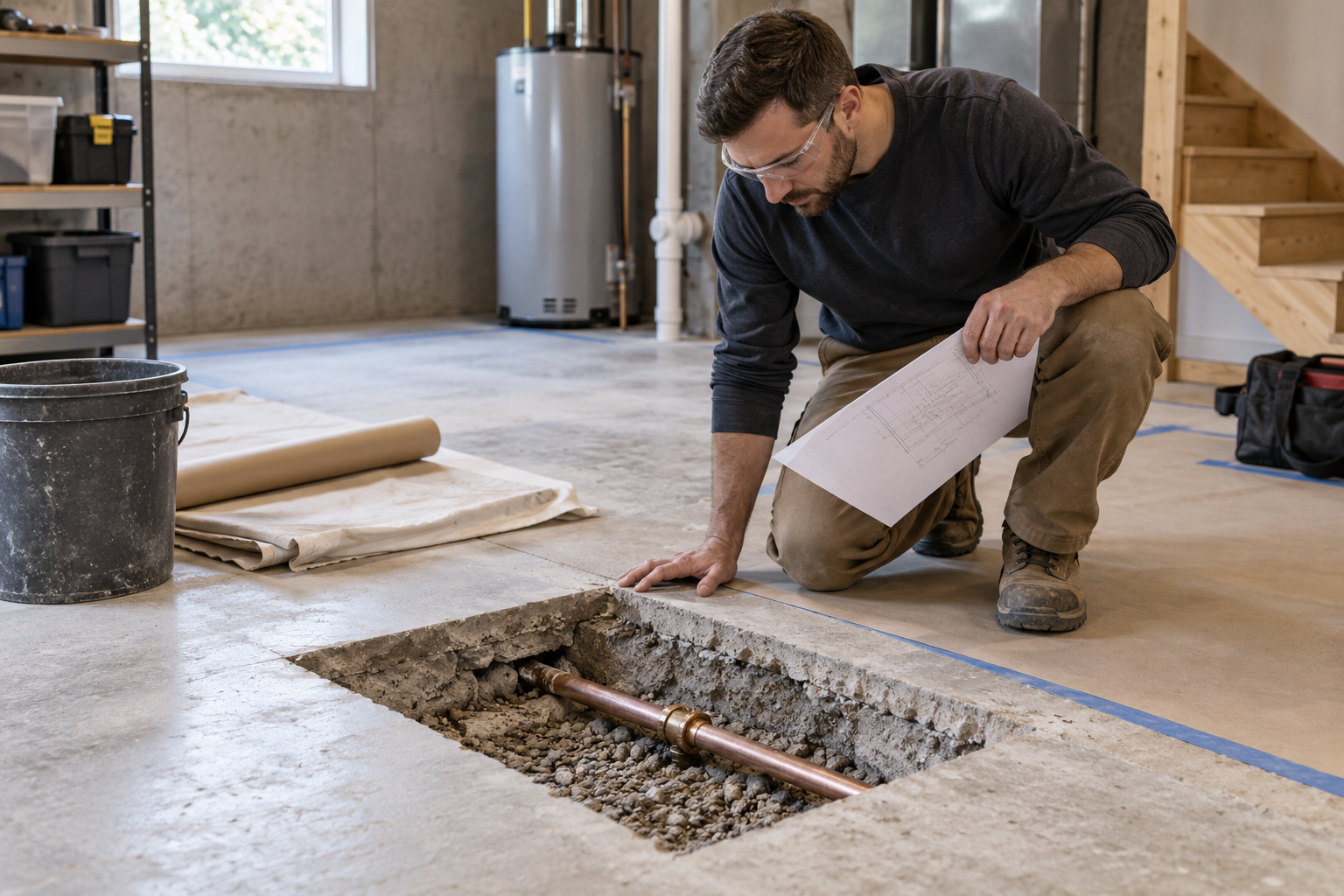
After a leak or flood, a concrete floor may lose its visible puddles well before the slab is suitable for a new covering. Concrete can hold moisture beneath its surface, and the layers above it may have trapped water. Before installing flooring, establish what caused the wetting, which materials were removed and what the proposed flooring system requires. The assessment should connect the concrete’s condition with the selected finish rather than rely on appearance alone.
This applies to both a previously finished basement floor and an exposed slab that became wet during a building incident. Each has a different history. Record the original covering, any previous moisture symptoms and the location of the recent water. Those details can help distinguish incident-related wetting from a condition that existed beforehand.
Separate The Water Event From Ongoing Moisture
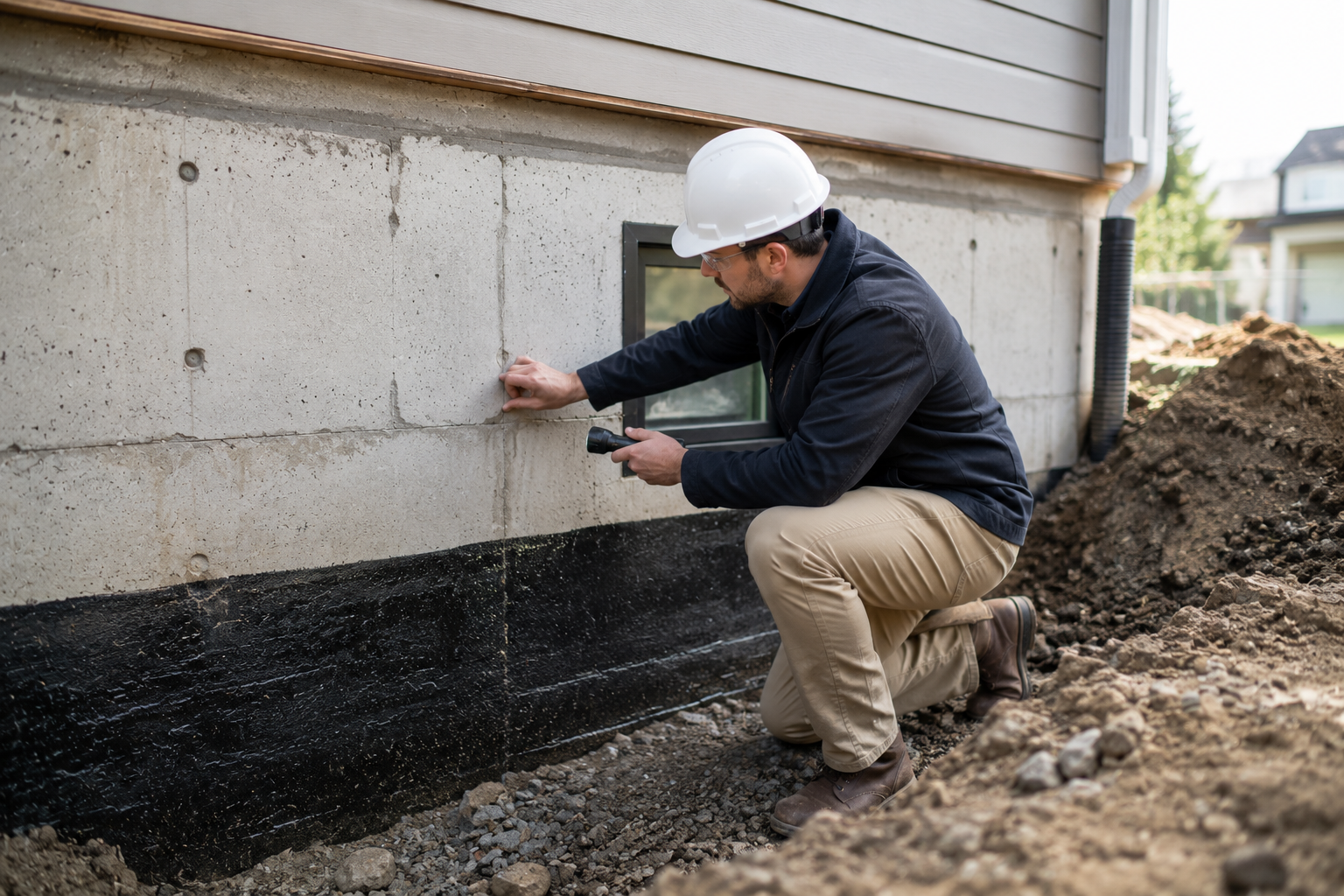
A repaired supply leak may have a clear starting and ending point. Moisture associated with ground conditions, drainage or an unresolved building leak may continue after cleanup. Ask the contractor whether the source has been established and whether further investigation is needed. Replacing a floor over an ongoing moisture condition can expose the new installation to the same problem.
White deposits, dark patches or a musty smell can justify closer examination, but none identifies the source by itself. Avoid applying a coating simply because the surface looks damp. The suitability of a treatment depends on the actual condition and its compatibility with the later flooring system. Keep uncertainties visible in the work scope.
Assess What Was Above The Concrete
Carpet cushion, wood underlayment, adhesives and resilient coverings create different cleanup and access needs. Water may have spread beneath an intact finish or along the wall perimeter. Removing only the visibly damaged top layer may leave affected material below. The restoration assessment should identify the full assembly and explain which layers can remain.
When older flooring or adhesive is present, consider whether a hazardous-material assessment is needed before disturbance. Do not grind, scrape or sand an unknown material to speed drying. A controlled removal plan can protect the work area and preserve a usable substrate for the next stage. Ask who is responsible for that assessment and preparation.
Check The Slab’s Physical Condition
Moisture is only one part of substrate suitability. The concrete may also need assessment for surface contamination, weak material, cracks, uneven areas or residue from the previous installation. Tell the contractor about new movement or damage noticed after the incident. Structural concerns need an appropriate evaluation rather than a cosmetic covering.
A concrete repair proposal should distinguish surface preparation from any structural work. Patching a shallow defect, correcting flatness and investigating a moving crack are different tasks. Ask which condition the proposed product addresses and whether further review is required. A general promise to make the slab ready can conceal important exclusions.
Use The Test Required By The Flooring System
Ask the flooring installer to identify the selected products and their current substrate requirements. Different coverings, adhesives and moisture-control systems may accept different conditions and test methods. The assessment must follow the applicable instructions, including any required preparation or environmental conditions. There is no single moisture number that makes every slab suitable for every finish.
A surface meter can help locate areas for further investigation, but it should not automatically replace the specified acceptance test. Keep the test method, locations, results and date in the project record. The installer should explain how those findings support the proposed installation and what happens if a result falls outside the product’s requirements.
Coordinate Drying With Concrete And Flooring Work
Edmonton Water Damage Restoration provides an external overview of water damage restoration that puts material assessment and drying into the wider recovery process. On the actual project, the restoration provider and installer should agree on the handover. Removing drying equipment is a practical milestone, but the floor still needs acceptance against the chosen installation requirements.
If a moisture-control treatment is proposed, ask why it is suitable for the measured condition and which complete system is specified. Clarify preparation, compatibility and any limitations before approval. A coating is not a universal substitute for correcting an active leak, and product selection should follow the findings rather than precede them.
Define Readiness In The Written Scope
Before new flooring is delivered, identify who performs testing, who prepares the slab and who approves any additional repair. Include responsibility for adhesive removal, levelling, transitions and perimeter details. If the floor does not meet the agreed criteria, the next decision should be clear rather than left to the installer on arrival.
Retain product information and reports with the completed work record. Note any follow-up concerning the original water source or an unresolved substrate condition. These records are useful for future maintenance and help a later contractor distinguish the concrete repair from the flooring installation. Keep insurance and warranty decisions separate from technical acceptance of the substrate.
Discuss access and environmental conditions while assessment and preparation are underway. A slab used as a storage area may need to remain clear so the contractor can test relevant locations and complete the specified work. Confirm these arrangements before delivery of flooring materials blocks the surface that still needs examination.
Common Questions About Wet Concrete Floors
How Many Days Does A Slab Need To Dry?
The time depends on the slab, wetting history, environment and assembly. Ask for measurements and product-specific criteria rather than a universal waiting period. A planned installation date should remain conditional until the substrate is assessed as suitable.
Can I Install A Waterproof Floor Immediately?
A water-resistant or waterproof finish still has installation requirements. Moisture below it can affect adhesives, underlay or other materials. Follow the selected manufacturer’s instructions and have the installer assess the whole system before proceeding.
Does A Moisture Reading Prove Where Water Came From?
A reading describes a condition at the tested place and time. It does not, by itself, establish the source. Combine the results with the building history, observed water route and appropriate investigation before selecting the repair.
Easy steps to create a color palette
Lorem ipsum dolor sit amet, consectetur adipiscing elit lobortis arcu enim urna adipiscing praesent velit viverra sit semper lorem eu cursus vel hendrerit elementum morbi curabitur etiam nibh justo, lorem aliquet donec sed sit mi dignissim at ante massa mattis.
- Neque sodales ut etiam sit amet nisl purus non tellus orci ac auctor
- Adipiscing elit ut aliquam purus sit amet viverra suspendisse potent
- Mauris commodo quis imperdiet massa tincidunt nunc pulvinar
- Excepteur sint occaecat cupidatat non proident sunt in culpa qui officia
What is a color palette?
Vitae congue eu consequat ac felis placerat vestibulum lectus mauris ultrices cursus sit amet dictum sit amet justo donec enim diam porttitor lacus luctus accumsan tortor posuere praesent tristique magna sit amet purus gravida quis blandit turpis.

Don’t overspend on growth marketing without good retention rates
At risus viverra adipiscing at in tellus integer feugiat nisl pretium fusce id velit ut tortor sagittis orci a scelerisque purus semper eget at lectus urna duis convallis porta nibh venenatis cras sed felis eget neque laoreet suspendisse interdum consectetur libero id faucibus nisl donec pretium vulputate sapien nec sagittis aliquam nunc lobortis mattis aliquam faucibus purus in.
- Neque sodales ut etiam sit amet nisl purus non tellus orci ac auctor
- Adipiscing elit ut aliquam purus sit amet viverra suspendisse potenti
- Mauris commodo quis imperdiet massa tincidunt nunc pulvinar
- Adipiscing elit ut aliquam purus sit amet viverra suspendisse potenti
What’s the ideal customer retention rate?
Nisi quis eleifend quam adipiscing vitae aliquet bibendum enim facilisis gravida neque euismod in pellentesque massa placerat volutpat lacus laoreet non curabitur gravida odio aenean sed adipiscing diam donec adipiscing tristique risus amet est placerat in egestas erat.
“Lorem ipsum dolor sit amet consectetur adipiscing elit, sed do eiusmod tempor incididunt ut labore et dolore magna aliqua enim ad minim veniam.”
Next steps to increase your customer retention
Eget lorem dolor sed viverra ipsum nunc aliquet bibendum felis donec et odio pellentesque diam volutpat commodo sed egestas aliquam sem fringilla ut morbi tincidunt augue interdum velit euismod eu tincidunt tortor aliquam nulla facilisi aenean sed adipiscing diam donec adipiscing ut lectus arcu bibendum at varius vel pharetra nibh venenatis cras sed felis eget.